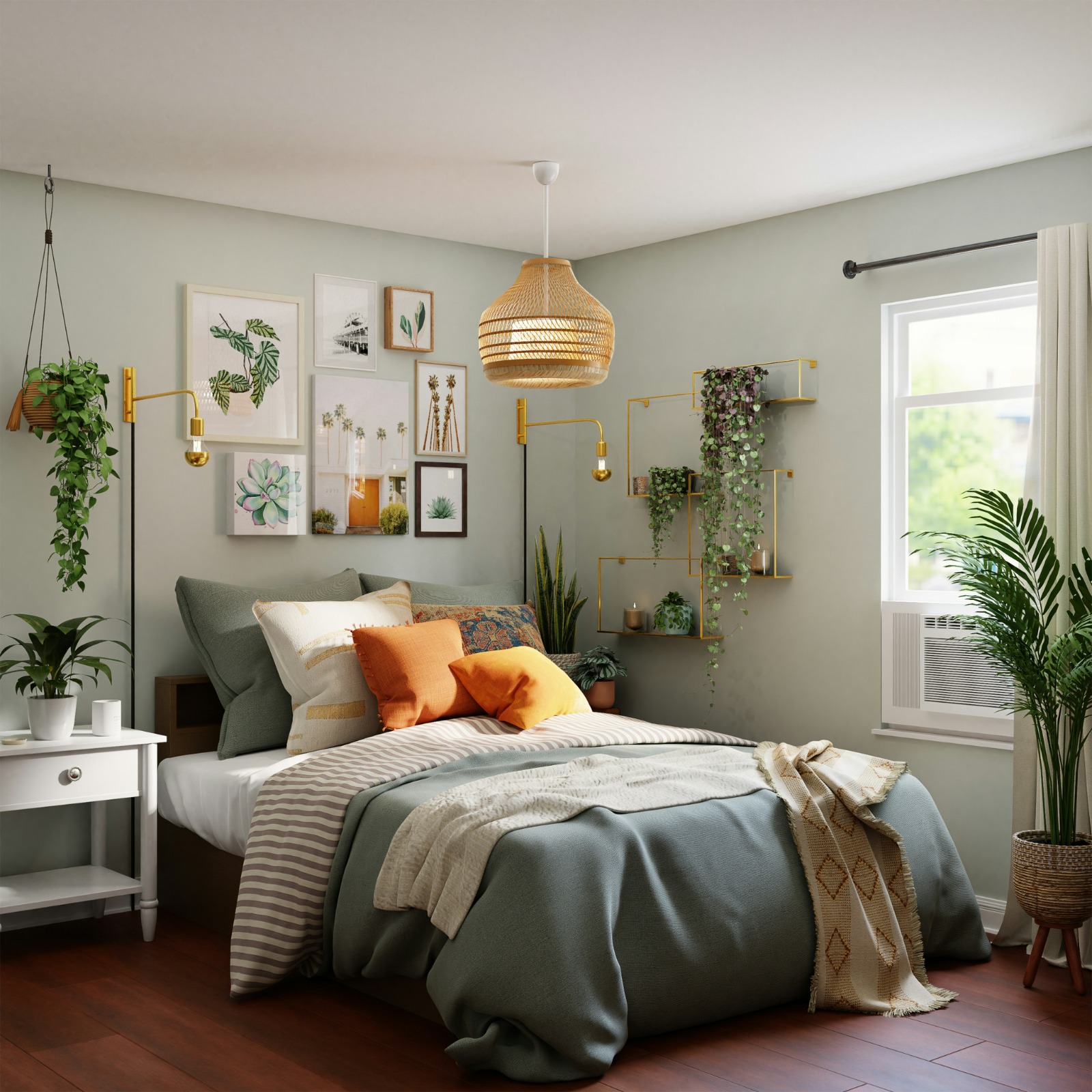
Master Bedroom Interior Ideas for 2026

Master Bedroom Interior Ideas for 2026
Bedroom interior designers are helping homeowners create master bedrooms in 2026 that combine comfort, smart storage, modern aesthetics and practical space planning.
Choosing experienced bedroom interior designers can make a major difference when planning wardrobes, bed units, lighting, dressing areas, storage and furniture. A well-designed master bedroom should not only look attractive but should also make everyday living more comfortable and organised.
At DecorGuys, we focus on creating customised master bedroom interiors based on room size, storage requirements, lifestyle and design preferences.
In this guide, our bedroom interior designers explore the latest master bedroom interior ideas for 2026, including modern wardrobes, colour combinations, lighting, space-saving furniture, storage solutions and bedroom design trends.
1. Start with a Functional Bedroom Layout
Before choosing colours, laminates or decorative finishes, finalise the layout.
The bed is normally the largest piece of furniture in the room, so its position influences almost everything else.
A well-planned master bedroom should provide comfortable movement around the bed while maintaining access to wardrobes, windows, bathroom entrances and other furniture.
Consider the location of:
- Bed and side tables
- Wardrobe
- Dressing unit
- TV unit
- Study or work desk
- Windows
- Bathroom entrance
- Electrical points
- Air-conditioning unit
Good space planning can make even a relatively compact bedroom feel comfortable.
2. Create a Statement Bed Backdrop
The wall behind the bed is usually the visual focal point of a master bedroom.
Instead of filling the entire room with decorative features, consider concentrating attention on this wall.
Popular approaches include:
- Upholstered panels
- Wooden finishes
- Fluted panels
- Textured paint
- Wallpaper
- Minimal wall moulding
- Integrated lighting
- Combination panels
The bed backdrop should complement the overall colour palette rather than compete with other elements in the room.
For 2026 interiors, a restrained and coordinated approach can create a more timeless result.
3. Choose Calm and Comfortable Colours
Bedrooms generally benefit from colours that create a relaxing atmosphere.
Neutral and earthy shades continue to work particularly well for master bedrooms.
Consider tones such as:
- Warm white
- Beige
- Cream
- Taupe
- Light grey
- Muted green
- Soft brown
- Dusty blue
You don’t necessarily need to use one colour throughout the room.
A neutral base can be combined with deeper accent colours through the headboard, curtains, cushions or a feature wall.
Experienced bedroom interior designers usually consider natural light, room dimensions and furniture finishes before finalising the colour palette.
4. Design a Full-Height Wardrobe
Storage is one of the most important elements of a master bedroom.
A full-height wardrobe can maximise vertical space and create a cleaner built-in appearance.
The upper portion can be used for less frequently accessed items such as:
- Suitcases
- Travel bags
- Seasonal clothing
- Extra bedding
- Storage boxes
The main wardrobe section can then be organised around everyday clothing.
This approach is especially useful in apartments where additional storage space may be limited.
5. Sliding vs Hinged Wardrobes
Both sliding and hinged wardrobes can work well in master bedrooms.
Sliding Wardrobes
Sliding wardrobes are particularly useful when the space between the bed and wardrobe is limited because the shutters do not open outward.
They can also create a streamlined contemporary appearance.
Hinged Wardrobes
Hinged wardrobes provide excellent access because multiple shutters can be opened simultaneously.
They also offer flexibility for different internal storage configurations.
The choice should depend on available clearance, wardrobe width, storage requirements and design preferences.
6. Plan the Wardrobe Interior Around Your Lifestyle
A beautiful wardrobe can still be inconvenient if the internal storage is poorly planned.
Before finalising the wardrobe, consider how much space you need for:
- Shirts
- Trousers
- Sarees
- Dresses
- Suits
- Folded clothes
- Accessories
- Jewellery
- Shoes
- Bags
- Documents
- Luggage
You can then divide the wardrobe into hanging sections, shelves, drawers and accessory storage.
Avoid adding expensive wardrobe accessories simply because they look attractive in a catalogue. Prioritise the ones you will actually use.
7. Introduce Layered Lighting
A single ceiling light is rarely enough to create a comfortable master bedroom.
Layered lighting combines different light sources for different purposes.
Ambient Lighting
Provides general illumination throughout the room.
Task Lighting
Useful near the dressing mirror, study desk or bedside reading area.
Accent Lighting
Highlights the headboard, wall panels, artwork or selected architectural details.
Bedside Lighting
Pendant lights or wall-mounted lights can reduce the need for large table lamps and keep bedside tables uncluttered.
Planning lighting during the initial design stage also allows electrical points and switches to be positioned correctly.
8. Keep Bedside Tables Functional
Bedside tables don’t need to be oversized.
A compact bedside unit can provide sufficient space for essentials while maintaining comfortable circulation.
Depending on your requirements, it may include:
- Drawer
- Open shelf
- Charging point
- USB or suitable charging provision
- Reading light
- Small storage compartment
For compact bedrooms, floating bedside tables can create a lighter visual appearance and make floor cleaning easier.
9. Add a Functional Dressing Area
A dressing unit can be integrated with the wardrobe rather than treated as separate furniture.
A practical dressing area may include:
- Full-length mirror
- Drawers
- Small countertop
- Accessory storage
- Lighting
- Electrical point
If the bedroom is compact, a mirror can also be incorporated into a wardrobe shutter.
The objective is to provide functionality without unnecessarily consuming floor area.
10. Consider a Minimal TV Unit
If you want a television in the master bedroom, the TV wall doesn’t necessarily need a large entertainment cabinet.
A simple wall-mounted TV with a floating console can provide storage while keeping the room visually uncluttered.
Concealed wiring is particularly important.
Electrical, internet and device connections should be planned before wall finishes and furniture are completed.
11. Use Multifunctional Furniture
Multifunctional furniture can be valuable in apartments where space is limited.
Examples include:
- Bed with storage
- Dressing unit integrated with wardrobe
- Study desk connected to TV unit
- Window seating with storage
- Floating bedside units
- Storage benches
Custom furniture allows these functions to be combined according to the exact room dimensions.
12. Add a Compact Work-from-Home Corner
Some homeowners still require a small workspace inside the bedroom.
Instead of adding a large office desk, consider a compact study or laptop counter.
It can be integrated with:
- Wardrobe
- TV unit
- Window area
- Wall-mounted storage
However, the workspace should not dominate the bedroom.
The room should continue to feel primarily like a place for rest.
13. Make Use of Natural Light
Natural light can make a bedroom feel more spacious and comfortable.
Avoid placing tall furniture where it unnecessarily blocks windows.
Curtains can combine sheer and blackout layers.
Sheer curtains allow daylight while providing some privacy, while blackout curtains can help control light when sleeping.
Furniture finishes and wall colours should also be selected according to the amount of natural light available.
14. Use Mirrors Strategically
Mirrors can serve both practical and visual purposes.
A large mirror can make a compact bedroom appear more open by reflecting light.
Mirrors can be incorporated into:
- Wardrobe shutters
- Dressing units
- Feature walls
- Compact dressing corners
However, excessive mirror usage can make the room visually busy.
Use mirrors where they provide a clear functional or spatial benefit.
15. Keep the Bedroom Clutter-Free
One of the strongest master bedroom design principles for 2026 is simplicity.
Instead of adding numerous decorative elements, focus on a smaller number of coordinated materials.
Hidden storage can help maintain this clean appearance.
Plan dedicated storage for items that commonly create clutter, including chargers, books, accessories, bags and everyday clothing.
Good interior design is often about deciding what should not remain visible.
16. Add Texture Instead of Excess Decoration
A sophisticated bedroom doesn’t require multiple bright colours or decorative features.
Texture can create visual interest more subtly.
Consider combining materials such as:
- Fabric
- Wood
- Laminate
- Glass
- Metal accents
- Textured paint
- Curtains and soft furnishings
The objective is to create depth while maintaining a calm overall appearance.
17. Consider an Upholstered Headboard
An upholstered headboard can add softness and comfort to the bedroom.
It can be particularly useful for homeowners who frequently sit against the headboard while reading or watching television.
Headboards can range from simple individual panels to full-width wall treatments.
The material should be selected with maintenance in mind, particularly in homes where dust accumulation is a concern.
18. Don’t Ignore Electrical Planning
Electrical planning should happen before furniture manufacturing and installation.
Consider points for:
- Bedside charging
- Reading lights
- Television
- Wi-Fi equipment
- Air conditioner
- Dressing appliances
- Laptop or work desk
- Additional devices
Switches should be accessible from practical locations.
For example, providing suitable bedside controls can make everyday use more convenient.
19. Design for Easy Maintenance
A bedroom that looks impressive in photographs may not necessarily be easy to maintain.
When selecting finishes, consider:
- Dust accumulation
- Cleaning accessibility
- Fingerprints
- Fabric maintenance
- Durability
- Replacement requirements
Simple surfaces and accessible storage can reduce long-term maintenance.
This is an important consideration when working with bedroom interior designers.
20. Customise the Bedroom Around Your Requirements
Interior design should not be based entirely on trends.
A young couple, family with children and older homeowners may all have very different requirements from a master bedroom.
Your designer should understand:
- Daily routine
- Storage requirements
- Clothing collection
- Work requirements
- Preferred colours
- Lighting preferences
- Budget
- Future needs
The best bedroom design is one that works for the people using it.
Popular Master Bedroom Style Ideas for 2026
Several design approaches can be adapted according to your preferences.
Minimal Modern Bedroom
Use clean lines, neutral colours, concealed storage and minimal decoration.
Warm Contemporary Bedroom
Combine warm wood tones, soft fabrics and layered lighting.
Luxury Master Bedroom
Use premium finishes selectively on the bed wall, wardrobe, lighting and furniture rather than overcrowding the room.
Nature-Inspired Bedroom
Introduce earthy colours, wood textures, indoor plants and natural fabrics where practical.
Compact Urban Bedroom
Focus on multifunctional furniture, sliding wardrobes, vertical storage and a simple colour palette.
How Much Does Master Bedroom Interior Design Cost?
There is no fixed price because every bedroom has different requirements.
The overall budget can depend on:
- Wardrobe size
- Bed design
- Storage requirements
- Headboard
- Wall panelling
- TV unit
- Dressing unit
- Study table
- Ceiling design
- Lighting
- Materials
- Finishes
- Hardware
A bedroom with a basic wardrobe and simple furniture can have a very different budget from a complete premium master-bedroom interior.
For accurate pricing, request a detailed quotation based on the final design and material specifications.
How to Control Your Bedroom Interior Budget
You don’t need premium materials everywhere to create a good master bedroom.
Prioritise areas that affect everyday functionality.
Invest in:
- Good wardrobe storage
- Reliable hardware
- Comfortable bed design
- Appropriate lighting
- Durable materials
Premium finishes can then be concentrated on focal areas such as the bed backdrop or selected wardrobe shutters.
Finalising the design before manufacturing begins can also help avoid unnecessary modifications and additional costs.
How to Choose Bedroom Interior Designers
When comparing bedroom interior designers, don’t make your decision based only on 3D images or the lowest quotation.
Evaluate:
- Completed projects
- Space-planning ability
- Material specifications
- Wardrobe design expertise
- Customisation
- Furniture manufacturing
- Hardware specifications
- Installation process
- Quotation transparency
- After-completion support
Ask for clear specifications for the wardrobe carcass, shutters, finishes and hardware.
This makes quotations easier to compare.
Bedroom Interior Designers – Design Your Master Bedroom with DecorGuys
A successful master bedroom combines comfort, functionality, storage and aesthetics.
Rather than following every new trend, focus on creating a space that suits your daily routine and remains practical over time.
At DecorGuys, we design customised bedroom interiors based on individual room dimensions, storage requirements and design preferences.
Our in-house manufacturing capability also allows wardrobes, beds, dressing units, TV units and other customised furniture to be coordinated as part of the overall interior project.
If you’re comparing bedroom interior designers for your home, start by discussing your room dimensions, storage needs, preferred design style and budget.
A carefully planned master bedroom can provide a comfortable personal space while making significantly better use of the available area.
Frequently Asked Questions
What are the latest master bedroom interior ideas for 2026?
Key ideas include clean layouts, full-height wardrobes, warm neutral colours, layered lighting, multifunctional furniture, integrated storage and personalised bed-backdrop designs.
Which wardrobe is best for a master bedroom?
Sliding wardrobes can work particularly well where clearance is limited, while hinged wardrobes provide excellent access. The choice depends on bedroom dimensions and storage requirements.
What colours are good for a modern master bedroom?
Warm whites, beige, taupe, muted greens, soft greys, earthy browns and subtle blues can create a calm contemporary appearance. Colour selection should also consider natural light and furniture finishes.
How can I make a small master bedroom look spacious?
Use light colours, correctly proportioned furniture, vertical storage, mirrors, sliding wardrobes where appropriate and minimal visual clutter.
What should be included in a master bedroom interior?
Depending on your requirements, it can include the bed, headboard, bedside units, wardrobe, dressing unit, TV unit, lighting, ceiling treatments, curtains and storage.
How do I choose bedroom interior designers?
Compare bedroom interior designers based on their previous projects, space planning, material specifications, customisation, manufacturing capabilities, installation quality and quotation transparency rather than selecting solely on price.